The Eco-Friendly Loft: Sustainable Solutions for Loft Conversions
In the pursuit of creating an environmentally conscious living space, the concept of eco-friendly loft conversions has gained considerable traction. This approach emphasizes the integration of sustainable solutions to minimize environmental impact while maximizing energy efficiency and resource conservation. Learn more about our approach.
Energy-Efficient Design
One of the fundamental aspects of an eco-friendly loft conversion is the incorporation of energy-efficient design principles. This involves meticulous planning to optimize insulation, ventilation, and the utilization of renewable energy sources. By implementing these measures, homeowners can significantly reduce energy consumption and contribute to a greener environment.
Sustainable Materials
Choosing eco-friendly building materials is paramount in ensuring the sustainability of a loft conversion project. Opting for materials with low environmental impact and high durability not only minimizes resource depletion but also promotes long-term sustainability. Additionally, selecting materials that meet green building standards can enhance the overall quality and longevity of the loft space.See our portfolio for examples of our work.
Natural Ventilation and Cooling
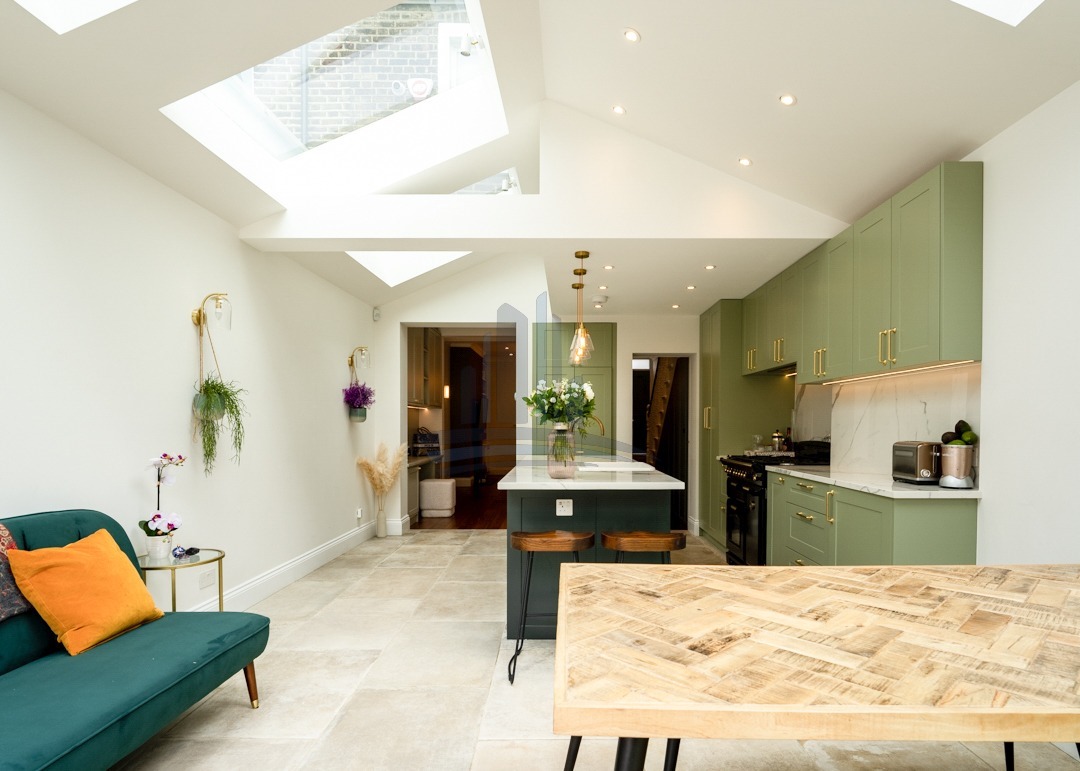
Maximizing natural ventilation and passive cooling strategies are essential components of eco-friendly loft conversions. By harnessing natural airflow and ventilation techniques, homeowners can reduce reliance on mechanical heating and cooling systems, thereby lowering energy consumption and operating costs. This approach not only enhances comfort but also contributes to a healthier indoor environment.
Water Conservation
Water conservation plays a crucial role in sustainable living practices, and loft conversions are no exception. Implementing efficient fixtures, rainwater harvesting systems, and greywater recycling solutions can significantly reduce water usage within the converted space. By adopting these measures, homeowners can minimize their environmental footprint and contribute to water conservation efforts.
Green Roof Options
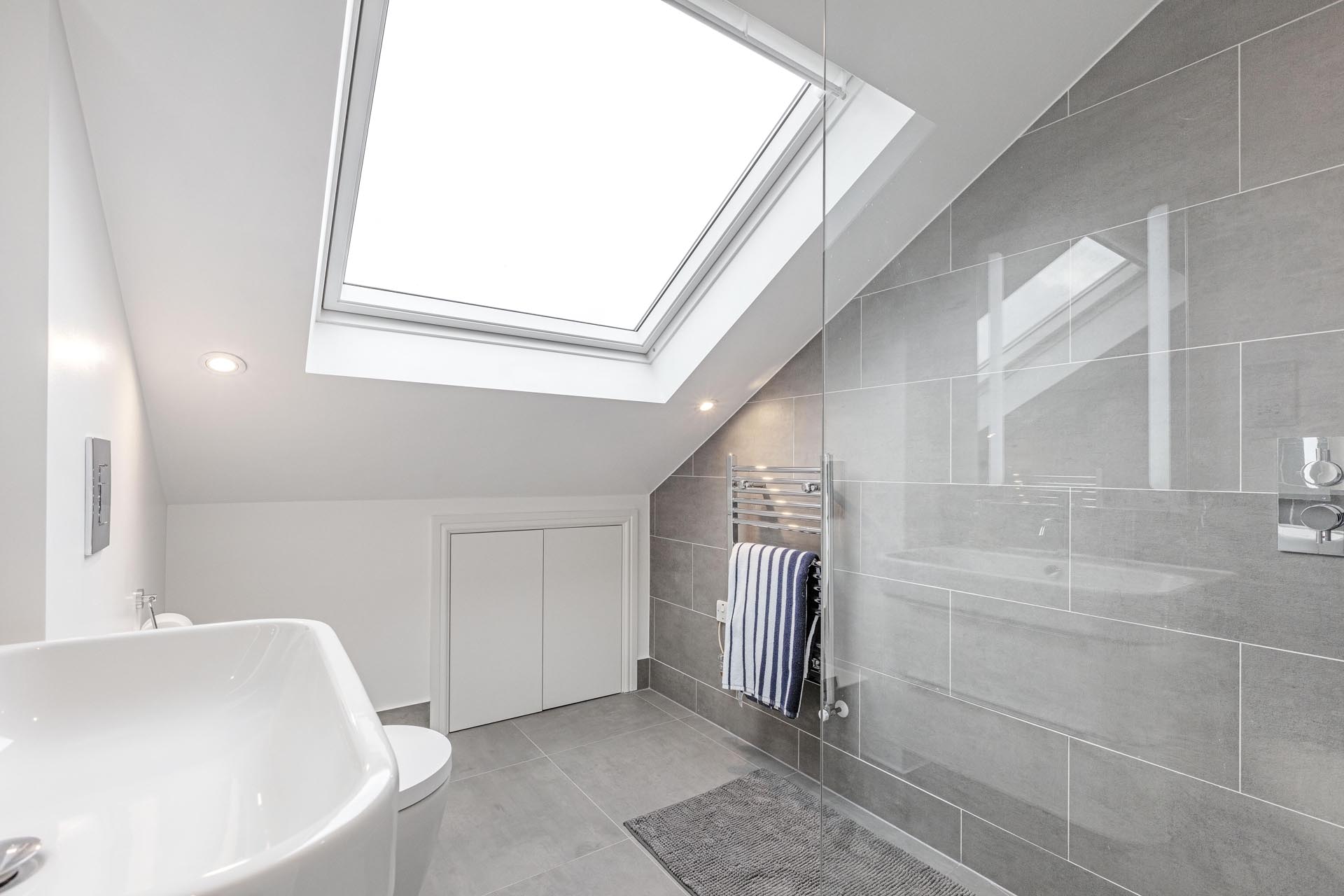
Exploring green roof options is another avenue for enhancing the sustainability of a loft conversion project. Green roofs offer a myriad of benefits, including improved insulation, biodiversity support, and aesthetic appeal. Integrating green roof features into the design not only enhances the visual appeal of the loft space but also provides additional environmental benefits.
In conclusion, adopting eco-friendly practices in loft conversions is imperative for promoting sustainability and reducing environmental impact. By incorporating energy-efficient design principles, sustainable materials, natural ventilation strategies, water conservation measures, and green roof options, homeowners can create a loft space that not only meets their functional needs but also contributes positively to the environment.
Ready to build your eco-friendly loft? Contact JJD Loft Conversion today to schedule a consultation and start your sustainable loft conversion journey.