
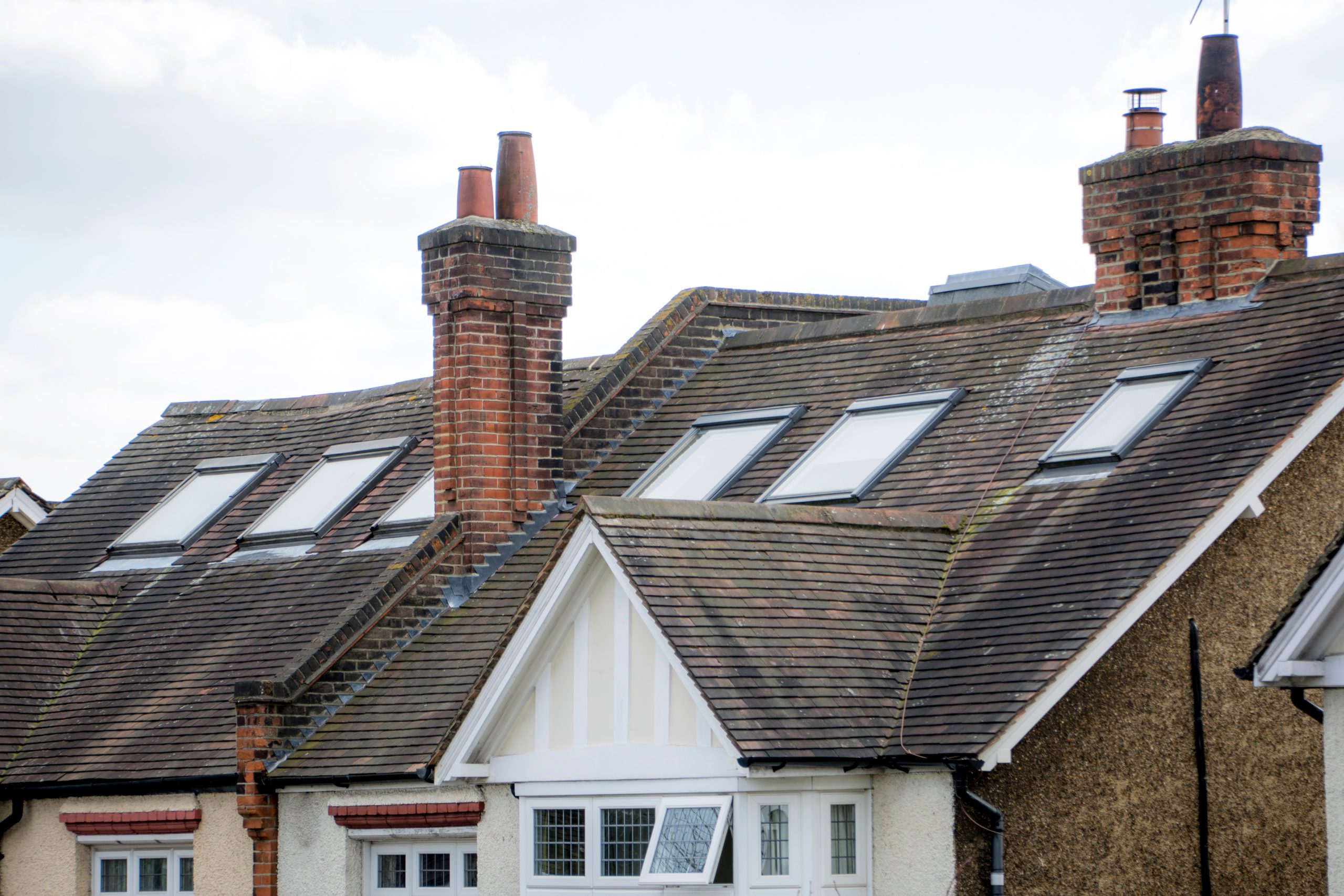
If you’re considering transforming your attic into a new living space, you may be wondering: Do you need planning permission for a loft conversion with VELUX windows? Or perhaps you’re curious whether planning permission is required to put stairs into a loft? The answer largely depends on the type of loft conversion and the extent of the work you’re planning to undertake. Below, we break down everything you need to know about dormer loft conversion planning permission, attic conversion planning permission, and when planning permission is necessary for different types of loft conversions.
When Do You Need Planning Permission for a Loft Conversion?
In most cases, a loft conversion falls under permitted development rights, meaning you do not need planning permission for a loft conversion as long as the project adheres to certain limits and conditions. However, not all loft conversions are equal, and some—like a dormer loft conversion—may require formal approval. So, do you need permission for loft conversion if you’re adding dormer windows or making structural changes? Let’s take a closer look at each scenario.
Planning Permission for Different Loft Conversion Types
VELUX Loft Conversion
If you’re opting for a loft conversion with VELUX windows, you typically don’t need planning permission. This type of conversion is popular because it doesn’t alter the roof’s existing shape or structure, and it’s relatively straightforward. However, do you need planning permission to put stairs into a loft with VELUX windows? Usually, this is covered under building regulations rather than planning permission, but it’s essential to check with your local authority if any external changes are made.

Dormer Loft Conversion
Dormer loft conversions are one of the most common options. But do you need planning permission for a dormer loft conversion? It depends. Most dormer loft conversions are considered permitted development if they meet the following conditions:
- The volume of the new loft space must not exceed 40 cubic metres for terraced houses or 50 cubic metres for detached and semi-detached houses.
- The dormer must not extend beyond the existing roof slope on the front elevation.
- The height must not exceed the highest point of the existing roof.
- No verandas, balconies, or raised platforms are allowed.
- The materials used must match the appearance of the existing house.
If the project doesn’t meet these criteria, you’ll need dormer loft conversion planning permission. So, when should you ask yourself, “Do I need planning permission for a dormer loft conversion?” If you’re adding a dormer that significantly alters the roof shape or size, you’ll need to apply for formal approval.
Planning Permission for Attic Conversion
So, do you need planning permission for attic conversion projects? If your attic conversion involves adding new structural elements like a staircase or raising the roof height, planning permission is often required. While most simple attic conversions fall under permitted development, more complex ones—especially those that change the external appearance of the property—will need planning permission for attic conversion.
Conditions for Permitted Development Loft Conversions
If you’re still unsure, ask yourself, “Do I need permission for loft conversion projects involving roof alterations?” To be considered permitted development, your loft conversion must adhere to the following conditions:
- Volume Limits: As mentioned, the maximum allowable volume is 40 cubic metres for terraced properties and 50 cubic metres for detached and semi-detached homes.
- No Extensions Beyond the Plane of the Existing Roof: This rule applies to the main elevation fronting the road.
- Height Restrictions: The height of the new loft structure must not exceed the original roof’s highest point.
- Material Consistency: New materials should match the existing building.
- No Verandas or Raised Platforms: These features are not allowed under permitted development.
- Obscure-Glazed Side Windows: If you’re adding side-facing windows, they must be obscure-glazed, and any openings must be at least 1.7m above the floor.
- Set Back Roof Extensions: Roof extensions, other than hip-to-gable extensions, should be set back at least 20cm from the original eaves.
What If You Need Planning Permission?
If your planned loft conversion does not fall under permitted development, you’ll need to apply for planning permission. This process can take anywhere from 8 to 12 weeks, depending on the complexity of your project. The cost for planning permission for dormer loft conversion or attic conversion planning permission varies, but most applications range between £200 and £500.

Building Regulations for Loft Conversions
Whether or not you need planning permission, you’ll still need to adhere to building regulations. These regulations cover critical safety and structural considerations such as:
- Structural Integrity: New floor joists may be required to support the extra load.
- Fire Safety: You’ll need proper fireproofing and escape routes.
- Staircases: A permanent staircase with adequate headroom is essential if the loft is to be used as a living space.
FAQs: Answering Your Loft Conversion Planning Permission Questions
- Do you need planning permission for a dormer loft conversion? Yes, if the dormer exceeds the volume limits or alters the roof’s shape significantly, you’ll need to apply for dormer loft conversion planning permission.
- Do you need planning permission to put stairs into a loft?
Stairs typically fall under building regulations, but if adding stairs involves making changes to the roof or structure, planning permission might be needed. - Is planning permission needed for attic conversion?
Simple attic conversions usually don’t need planning permission, but major changes, like raising the roof height, will require planning permission for attic conversion.
Final Thoughts
Navigating loft conversion planning rules can be challenging, but understanding whether you need permission is the first step to a successful project. For most simple loft conversions using VELUX windows, planning permission is usually not required, but dormer loft conversion planning permission or approval for complex attic conversions may be necessary. Always consult your local planning authority to confirm if your project needs permission.
Ready to convert your loft? Reach out to us today to see how we can help you transform your space!